

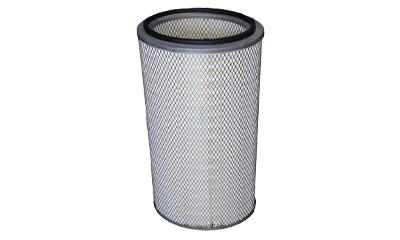
You ever notice a hydraulic system just start acting weird one day? Smooth one week, then the pump starts making that weird noise, valves stick, or the whole thing feels lazy. Most of the time it’s dirt. Real small particles you can’t even see. That’s why hydraulic filters matter more than people think. They’re not flashy, but they keep a machine running years longer instead of dying on you when you’re already behind.
Why Dirty Fluid Kills Systems So Fast
Contamination is the quiet killer here. Numbers float around, but anyone who’s worked on these things long enough will tell you 70 or 80 percent of hydraulic failures come from dirty oil. Metal bits, dust, seal pieces, sometimes water that somehow finds its way in. Once it’s circulating it turns into liquid sandpaper. Clearances inside pumps and valves are tiny — a few microns — so those particles score everything, open up leaks, make more heat. Efficiency falls off. Parts wear out early. Then you’re swapping expensive stuff that should’ve lasted twice as long.

What Clean Oil Actually Does
A good set of hydraulic filters breaks that cycle. They catch the junk as the fluid moves around. Less abrasion means pumps stay stronger longer. Valves work like they’re supposed to. The system runs cooler because there’s less friction and less internal leakage turning power into heat. You can feel it in the machine — smoother moves, more consistent force, fewer of those random pressure jumps. It just stays closer to how it was meant to run instead of slowly falling apart.
Different Filters for Different Jobs
There’s a few types and they each sit in different places. Suction filters or strainers live near the pump inlet. They grab the bigger chunks so the pump doesn’t swallow them. They’re kept coarse on purpose. Make them too fine and you starve the pump, get cavitation, and do more damage than the dirt ever would. Pressure filters sit after the pump on the high-pressure side. Those protect the sensitive parts — servo valves, proportional valves, tight actuators. They have to handle full system pressure so the housings are built tougher. Return-line filters clean the oil before it dumps back into the tank. They catch a lot of the wear particles the system itself makes. Then you’ve got offline or kidney-loop filters that just keep polishing the oil even when the main circuit isn’t working hard. Each one covers something. Leave one out and you’ve got a weak spot.
The Mistake People Keep Making
A lot of folks treat filter changes like optional work. That’s how you get into trouble. A clogged filter either bypasses and lets dirty oil through or it starts restricting flow. Either way the system pays for it. Best way is watching those differential pressure gauges and swapping the element before it hits the bypass point. Newer media — the synthetic microglass stuff or layered designs — holds more dirt and keeps grabbing fine particles longer than the old paper ones. Means fewer changes and better protection between them.
Cutting Oil Filtration Systems Work the Same Way
Same idea shows up in machine shops with cutting oil filtration systems. Cutting oils and coolants fill up with fines, chips, and swarf just like hydraulic fluid fills up with wear metal. Leave it in and tools die early, surface finishes get rough, and the fluid itself breaks down faster. A decent cutting oil filtration system pulls those particles out. Tools last longer, parts come out cleaner, and you stretch the oil so you’re not dumping and buying new as often. Some places put filter units or centrifuges right on the machine. Others run offline systems that keep cleaning the sump. You see it in fewer tool changes, less scrap, lower fluid costs. Same rule as hydraulic filters — clean fluid keeps everything downstream working better and lasting longer.
When Both Systems Are Working
When the hydraulic filters and the cutting oil filtration systems are both doing their job, the benefits stack up. Machines stay available. Maintenance stops being emergency work at bad hours. Oil lasts longer because it’s not full of abrasives that speed up oxidation and kill the additives. Heat stays lower, which helps the oil too. Even energy use can drop a little — less internal leakage means the pump isn’t fighting itself to make the same force at the cylinder.
Reliability Is More Than Just Not Breaking
Reliability isn’t only about avoiding the big failures. It’s consistency. Clean fluid means the system behaves the same way month after month. Cycle times stay steady. You can plan work without padding for random slowdowns. On mobile stuff — excavators, loaders, trucks — the difference is bigger because the environment is dirty and the loads are hard. Dust gets past breathers, seals wear, and without good filtration the damage multiplies quick. Shop equipment has its own version of the same problem from normal wear and the occasional outside dirt.
Picking the Right Filter
Micron rating and beta ratio matter more than people admit. Coarse filters stop the big pieces but let the fine stuff through that does most of the long-term damage. Finer ones (3 to 10 micron with solid beta ratios) catch more of the bad particles, but they need enough surface area and dirt capacity so they don’t clog too fast. Matching the filter to the cleanliness target the system needs — usually an ISO 4406 number — is worth the few extra minutes. Over-filtering can cause its own problems if the pressure drop gets too high.
The Habits That Actually Keep Things Running
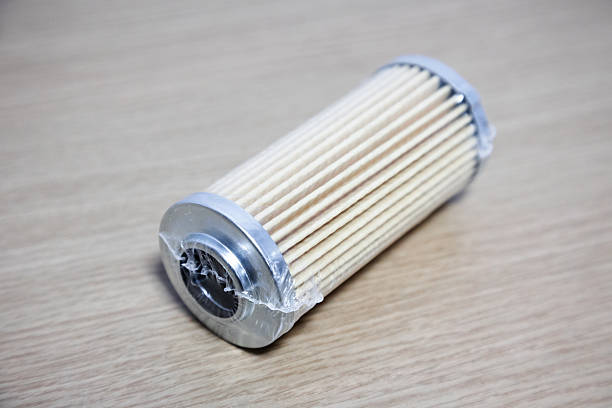
Simple habits make the difference. Change filters based on condition or a realistic schedule, not just when something already failed. Keep the reservoir reasonably clean and the breathers working. Don’t just pour new oil straight from the drum — it’s often dirtier than people think. Watch for water too. Moisture mixed with particles is a bad combination that speeds up corrosion and sludge. None of this is complicated. People just skip it.
In the end hydraulic filters improve performance and reliability by stopping the contamination-wear-heat loop that kills systems. They protect the expensive parts, keep efficiency up, and make the machine more predictable. Do the same thing with cutting oil filtration systems on the machining side and you cover both the hydraulic circuits and the process fluids that affect tools and parts. It’s not exciting work. Nobody gets thrilled changing a filter. But the places that take fluid cleanliness seriously spend less on repairs, run more hours, and deal with fewer surprises. Clean fluid is still one of the cheapest forms of insurance you can buy.
Conclusion
Hydraulic filters do more than clean oil. They protect the precision parts, keep heat and wear under control, and turn unreliable machines into ones you can actually count on. Same logic applies to cutting oil filtration systems in metalworking — pull the fines out and everything lasts longer and works better. Put the right filters in the right places, change them before they quit, and you’ll see it in uptime and costs. Straightforward maintenance that pays for itself over and over.
Frequently Asked Questions
What are hydraulic filters and why do they matter for equipment reliability?
Hydraulic filters pull solid particles and other contaminants out of the fluid. Since dirty fluid causes most hydraulic failures, keeping it clean cuts wear on pumps, valves, and cylinders and keeps the equipment more reliable.
How do hydraulic filters improve overall system performance?
They catch abrasive particles so there’s less internal leakage, lower temperatures, and components keep their designed clearances. You get more consistent force, smoother response, and better efficiency over time.
Can cutting oil filtration systems work alongside hydraulic filters?
Yes. Cutting oil filtration systems clean the process fluids used in machining while hydraulic filters protect the machine’s power side. Using both keeps tools sharper longer and the hydraulic side free from the wear particles that shorten component life.
How often should hydraulic filters be changed?
Depends on the system, the dirt, and the environment. A lot of people watch the differential pressure and change the element when it hits the recommended point, before bypass opens. Hour-based schedules or oil analysis work too.
What happens if hydraulic filters are neglected?
Particles keep circulating, wear speeds up, heat rises, and eventually valves stick or pumps fail. Downtime goes up, repair bills climb, and the fluid itself degrades faster. It’s an expensive cycle once it starts.